

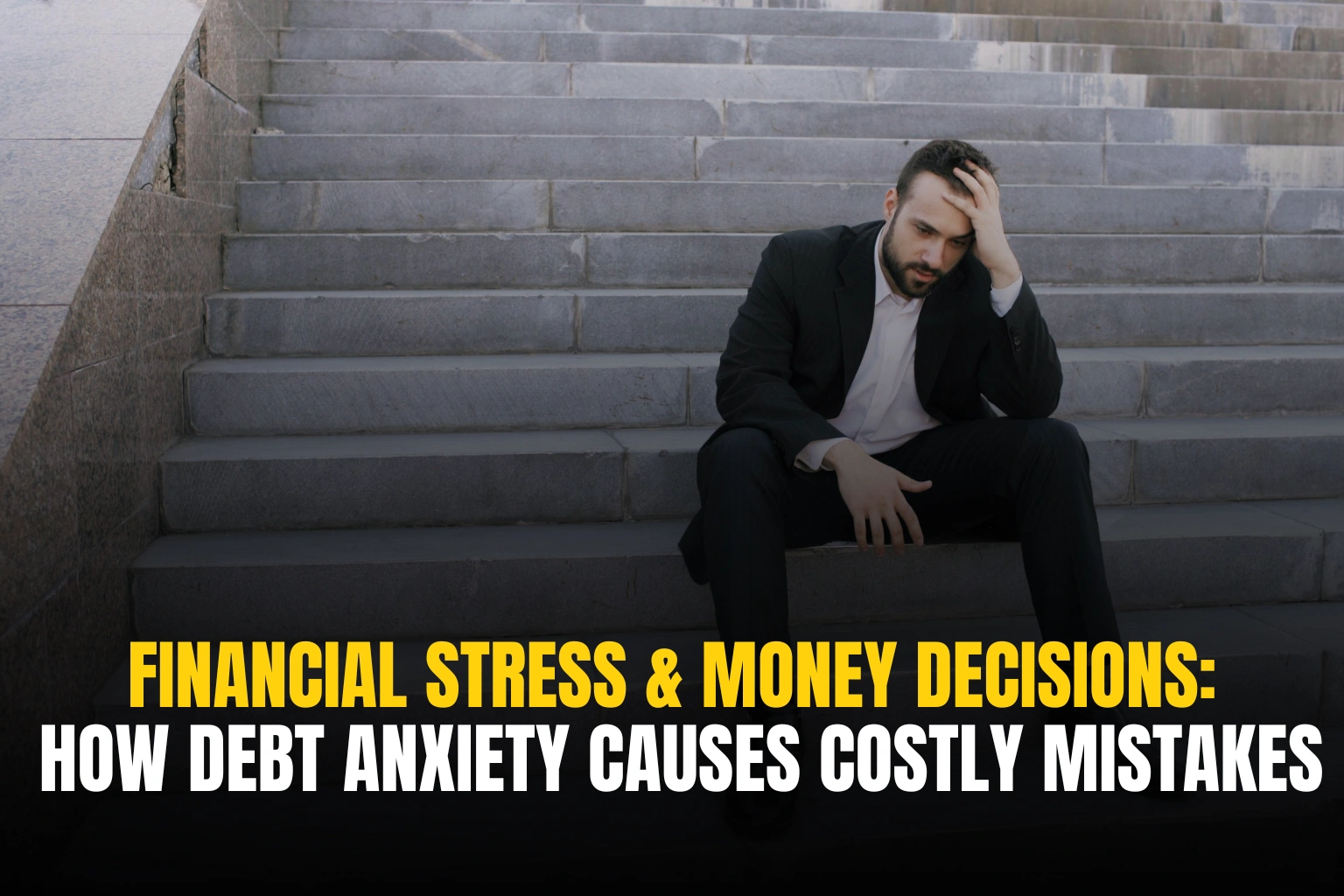
The Cognitive Trap of Debt Panic: How Unchecked Financial Anxiety Sabotages Smart Money Management and How to Break Free
Facing unmanageable debt, mounting loan EMIs, or unexpected financial emergencies creates intense psychological pressure that directly impairs rational decision-making. When individuals experience high levels of debt anxiety, their brains enter a perpetual survival mode, prioritizing short-term relief over long-term stability. This emotional state often leads borrowers to make impulsive financial choices—such as taking out high-interest instant personal loans to pay existing debts or ignoring official bank notices—which ultimately deepens their financial crisis. Understanding how Financial Stress & Money Decisions: How Debt Anxiety Causes Costly Mistakes operate is the essential first step toward reclaiming emotional calm and financial control.
Lenders and collection agencies often capitalize on this heightened emotional state to push distressed borrowers into unfavorable payment terms. Lawfully Finance recommends taking a step back to perform a logical audit of your obligations before acting on panic-driven instincts. When panic dictates your financial strategy, you are far more likely to fall victim to predatory lending apps or miss out on legitimate bank restructuring options. Analyzing Financial Stress & Money Decisions: How Debt Anxiety Causes Costly Mistakes enables borrowers to recognize cognitive traps and replace emotional reactions with structured legal and financial solutions.
The 4 Major Psychological Traps Caused by Financial Stress
Debt-induced anxiety distorts judgment and pushes consumers toward flawed choices. Examining Financial Stress & Money Decisions: How Debt Anxiety Causes Costly Mistakes highlights these four common psychological traps:
- Financial Avoidance and Denial: Hiding from collection calls, ignoring bank letters, and refusing to open account statements out of fear.
- The High-Interest Refinancing Trap: Taking short-term, exorbitant loan app credit to cover immediate EMI payments, creating a compounding debt spiral.
- Panicked Asset Liquidation: Selling long-term investments or retirement funds prematurely at a loss to satisfy short-term collection demands.
- Vulnerability to Unregistered Scams: Falling for fraudulent debt-relief promises or unauthorized settlement agents due to desperation for a quick fix.
Recognizing these psychological pitfalls helps you pause before taking reactive measures. Understanding Financial Stress & Money Decisions: How Debt Anxiety Causes Costly Mistakes ensures you protect your legal rights during negotiations.
4 Actionable Steps to Overcome Debt Anxiety and Make Strategic Choices
If financial stress is impairing your ability to handle loan commitments, Lawfully Finance recommends executing these four practical steps immediately:
- Enforce a 24-Hour Cooling-Off Period: Never agree to settlement terms or take new credit during a high-stress phone call; demand written terms and take a day to review them.
- Consolidate and Document Your True Debt: List all outstanding balances, original principal amounts, interest rates, and exact overdues in a single master worksheet.
- Establish Direct Written Communication with Lenders: Stop relying on verbal promises from recovery agents; submit formal written hardship applications directly to bank branch managers.
- Leverage Legal Protection Frameworks: Educate yourself on RBI borrower rights and guidelines to prevent unlawful harassment from influencing your decisions.
Taking structured, deliberate steps removes panic from your financial roadmap. Applying key insights from Financial Stress & Money Decisions: How Debt Anxiety Causes Costly Mistakes allows you to navigate debt resolution with clarity and confidence.
Logical and Emotional Alignment: Overcoming Panic with Strategic Control
From an emotional perspective, debt anxiety instills feelings of guilt, shame, and helplessness, convincing borrowers that their financial situation is completely irreversible. This psychological burden exhausts mental bandwidth, making routine money management feel overwhelming.
Logically, debt is a commercial obligation governed by defined legal frameworks, consumer rights, and banking procedures. Banks regularly restructure non-performing assets because recovering part of a loan through a One-Time Settlement (OTS) or tenure extension makes commercial sense. Understanding Financial Stress & Money Decisions: How Debt Anxiety Causes Costly Mistakes bridges the gap between emotional panic and objective, strategy-driven debt resolution.
Conclusion: Reclaim Control Over Your Financial Future
Financial stress does not have to dictate your life choices. By recognizing the cognitive traps of anxiety, enforcing written communication, and seeking structured financial guidance, you can resolve debt burdens and build lasting peace of mind.
If you need expert assistance in handling bank negotiations, stopping illegal recovery harassment, or restructuring your loans, sign up on our official portal today:
For daily guidance on consumer rights, credit health management, and debt resolution strategies, follow our official Instagram handle now: