

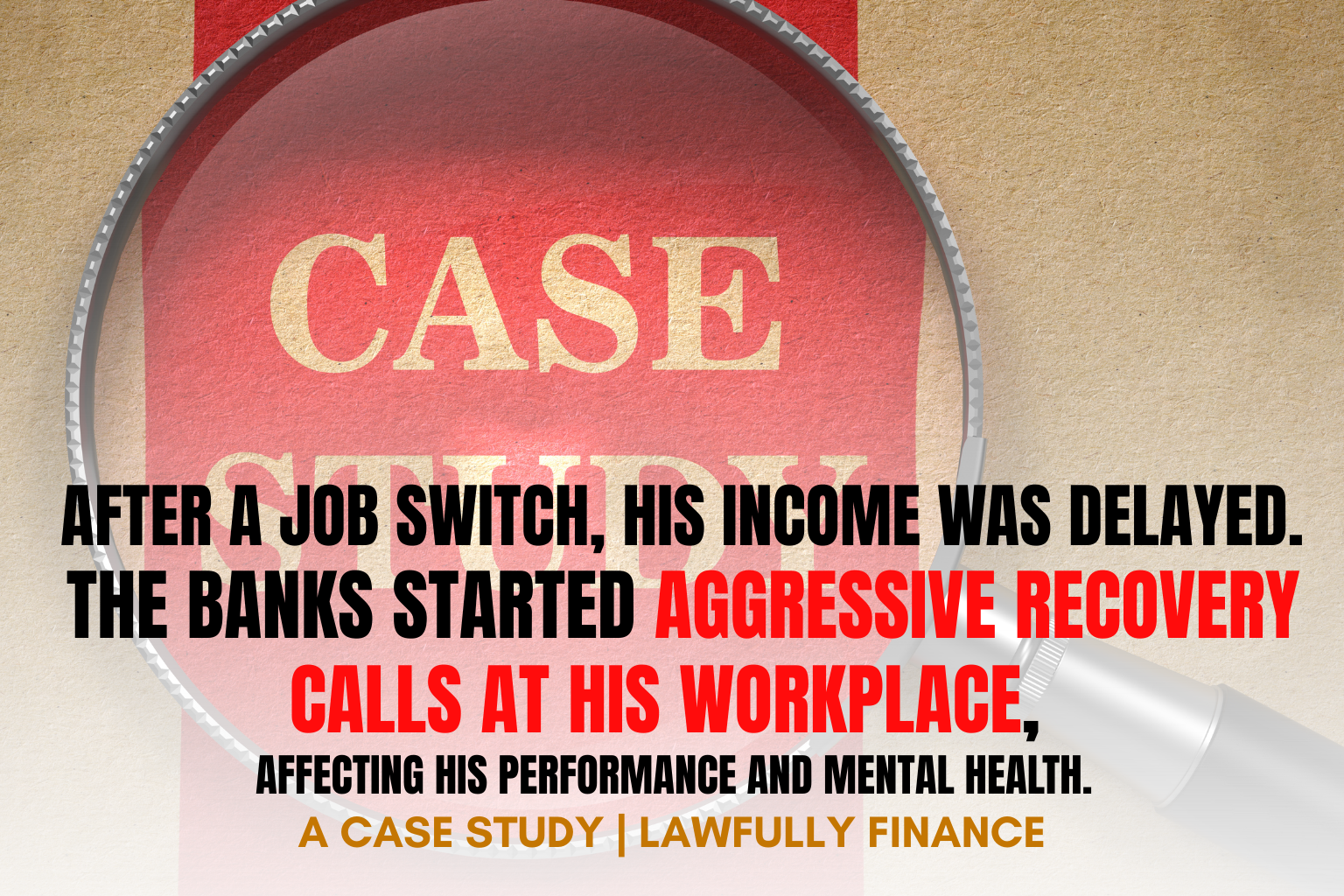
When Recovery Calls Entered the Workplace — A Case Study | Lawfully Finance
A job switch is supposed to be a step forward. For Amit, a 31-year-old corporate professional, it became the most stressful phase of his life. After switching companies for better growth, his joining salary was delayed by nearly two months due to internal HR and payroll cycles. What he didn’t expect was how quickly this temporary delay would spiral into a serious personal and professional crisis.
Amit had a few running EMIs—two credit cards and one personal loan. He had always paid on time earlier. But when income stopped temporarily, EMIs were missed. Within weeks, banks and recovery agencies began aggressive calls, not just to his personal phone—but to his workplace.
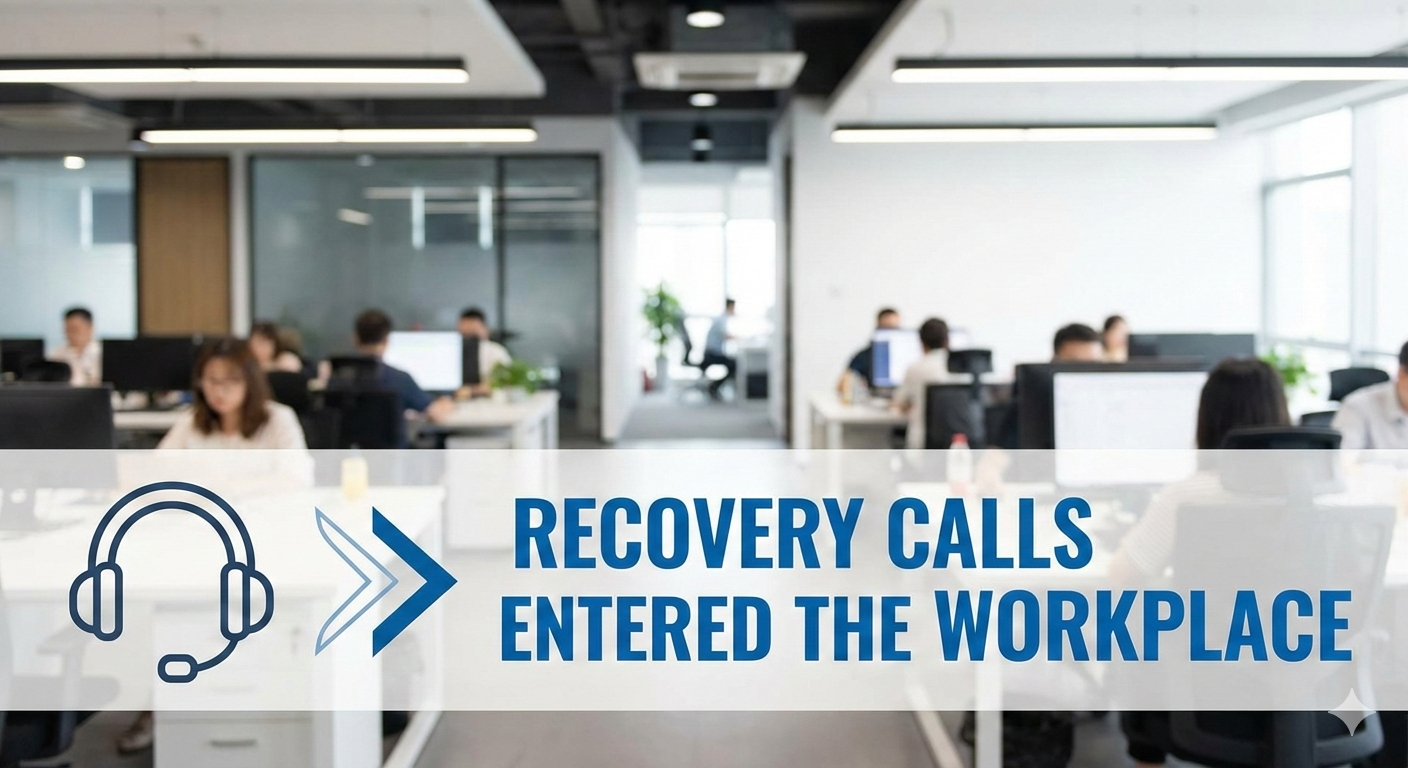
When Recovery Pressure Crossed the Line
The calls started as reminders. Soon, they turned into pressure.
Recovery agents began:
- Calling Amit repeatedly during office hours
- Asking to speak to him through reception
- Using threatening language about “legal escalation”
- Hinting that HR would be informed if payments weren’t made
This wasn’t just financial pressure—it was workplace harassment.
Amit’s performance dropped. Meetings became stressful. He avoided colleagues. His confidence suffered, and so did his mental health. The fear of losing a new job felt worse than the debt itself.
Emotional and Professional Impact
The biggest damage wasn’t monetary. It was psychological.
Amit experienced:
- Constant anxiety during office hours
- Fear whenever the office phone rang
- Loss of focus and productivity
- Sleepless nights and self-doubt
Despite this, the payments he managed to make did not stop the calls. Panic payments never solve recovery pressure.
That’s when Amit realized he needed professional, lawful help.
The Lawfully Finance Intervention
When Amit approached Lawfully Finance, the first priority was protecting his workplace dignity.
The strategy focused on control, not confrontation.
Lawfully Finance helped by:
- Taking over all lender communication
- Issuing formal instructions to stop workplace calls
- Educating Amit on borrower rights and call boundaries
- Verifying actual dues vs inflated claims
- Structuring a lawful settlement and repayment plan
Once communication became formal and documented, the tone changed.
What Changed After Lawful Action
Within a short period:
- Calls to the workplace stopped completely
- Personal calls reduced and became formal
- HR and colleagues were no longer involved
- Amit regained focus and confidence at work
Most importantly, his job was protected.
With pressure under control, Lawfully Finance helped Amit move toward structured resolution instead of survival mode.
Key Lessons from This Case Study
- Income delays don’t justify harassment
- Workplace recovery calls are often illegal
- Panic payments don’t stop pressure
- Silence increases escalation
- Lawful intervention restores dignity and control
This case highlights a harsh truth: recovery pressure often ignores borrower reality, but it stops when borrowers act with clarity and support.
Final Thought
A temporary income delay should never cost someone their mental health or career. Recovery pressure thrives on fear—but fear collapses when knowledge and structure step in.
If recovery calls are affecting your workplace, performance, or peace of mind, don’t wait until things worsen. Early, lawful action can protect both your finances and your future.
👉 If recovery pressure is affecting your job or mental health, take the first step toward protection with Lawfully Finance:
https://lawfullyfinance.com/step/sign-up/