


Why Recovery Agents Must Carry an ID Card and Authorization Letter
When someone knocks on your door saying,
“We are from the bank.”
How do you know they actually are?
Many borrowers panic and assume anyone claiming to be a recovery agent has full authority. But legally, recovery agents must follow identification and authorization rules.
You have the right to verify who is standing in front of you.
📘 What RBI Guidelines Expect
Banks and NBFCs operate under oversight of the Reserve Bank of India (RBI).
Under recovery conduct norms and Fair Practices expectations:
- Agents must identify themselves clearly.
- They must act within assigned authority.
- They must not misrepresent identity.
- Banks are responsible for third-party recovery agencies.
An unidentified person demanding payment is a red flag.
🪪 Why an ID Card Is Mandatory
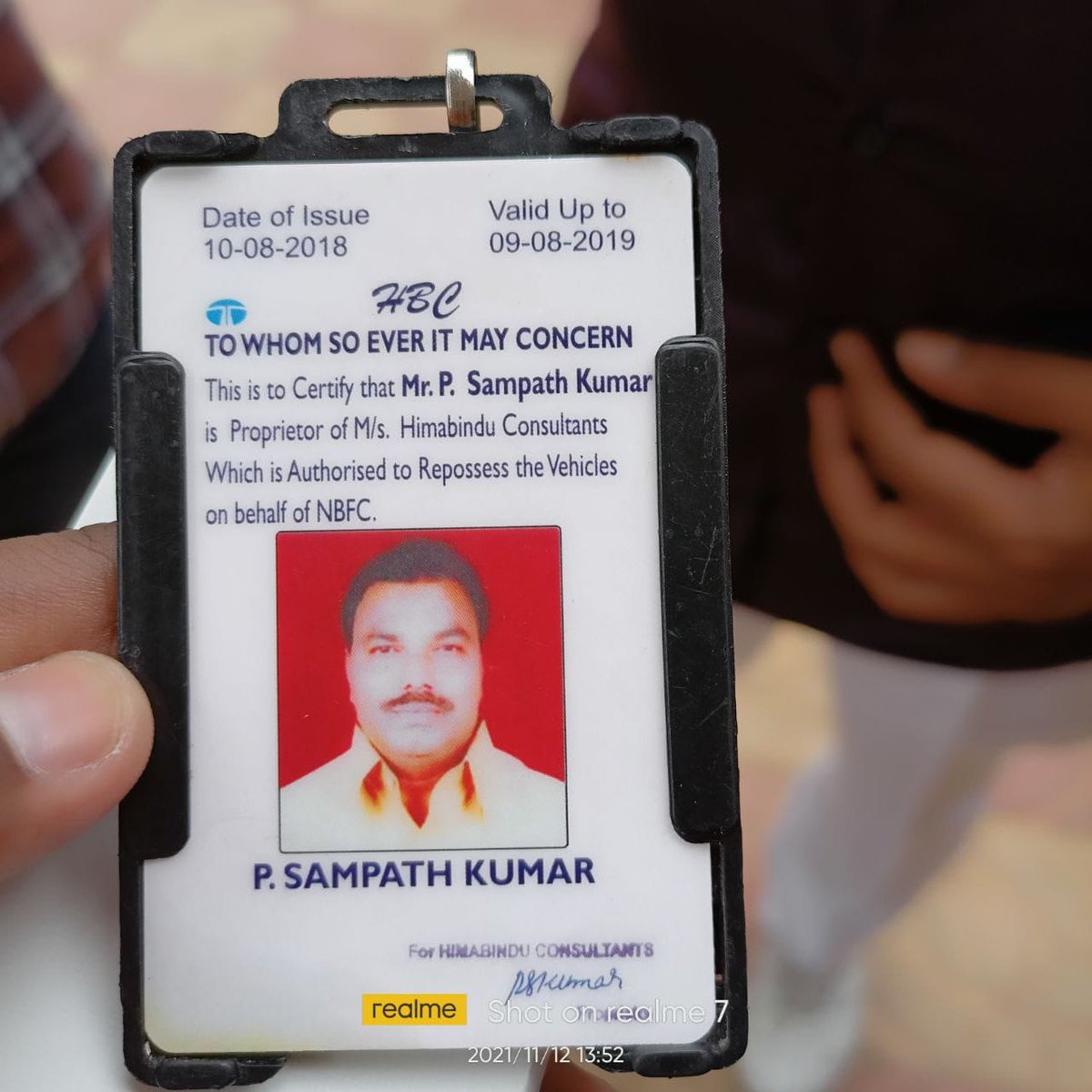
A recovery agent must carry:
- Official ID card
- Agency name
- Photograph
- Employee/Agent ID number
This ensures:
- Accountability
- Traceability
- Proof of association
- Protection from impersonators
Without ID, you are not obligated to engage.
📄 What Is an Authorization Letter?
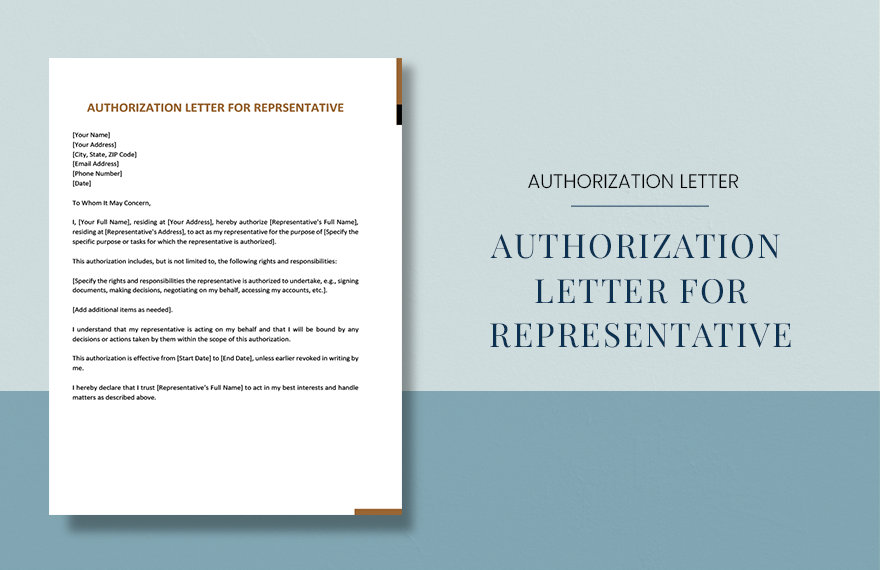
An authorization letter is a formal document from the bank stating:
- The agent is authorized to represent the lender.
- The specific account involved.
- The limited scope of authority.
- Official bank letterhead and signature.
This document confirms:
- The agent is not acting independently.
- The visit is officially assigned.
No authorization = no authority.
🚫 Why This Rule Matters
There have been cases where:
- Fraudsters impersonated recovery agents.
- Unauthorized individuals demanded cash.
- Borrowers were pressured without official backing.
Verification protects you from:
- Scams
- Intimidation
- Illegal collection
- Cash extortion
Never hand over money to someone without verification.
⚖️ What Agents Cannot Do
Even with ID and authorization, agents cannot:
- Force entry
- Use abusive language
- Threaten physical harm
- Seize property without legal process
- Demand cash without official receipt
Debt recovery is structured — not aggressive.
🧠 Why Borrowers Don’t Ask for ID
Many borrowers feel:
- Embarrassed
- Intimidated
- Afraid to question authority
- Worried about escalation
But asking for ID is not disrespectful.
It is responsible.
Verification shows confidence.
📲 What You Should Say
If someone claims to be a recovery agent:
- “Please show your official ID.”
- “Kindly provide authorization letter.”
- “I will verify this with the bank.”
- “Please communicate in writing.”
Calm, professional tone works best.
📝 Always Verify with the Bank
Before discussing payment:
- Call official bank helpline.
- Confirm agent name and assignment.
- Verify outstanding amount.
- Ask for official email confirmation.
Do not rely on verbal claims alone.
🛑 Never Pay in Cash Without Proof
If payment is being made:
- Demand official receipt.
- Use traceable payment method.
- Keep confirmation records.
Unverified cash payments are risky.
💡 Knowledge Shifts the Power Dynamic
When borrowers know:
- Agents must carry ID
- Authorization is required
- Verification is allowed
Intimidation reduces.
Confidence increases.
🤝 How Lawfully Finance Helps
At Lawfully Finance, we help borrowers:
- Understand recovery conduct rules
- Verify agent legitimacy
- Respond calmly to field visits
- Protect against unauthorized demands
- Structure safe repayment or settlement
We believe financial resolution should be lawful and documented.
Final Thought
Debt may exist.
But authority must be proven.
If someone shows up claiming to represent a bank, remember:
No ID. No authorization. No engagement.
Verification is your right — not your offense.
👉 Protect yourself with structured guidance from Lawfully Finance:
https://lawfullyfinance.com/step/sign-up/