

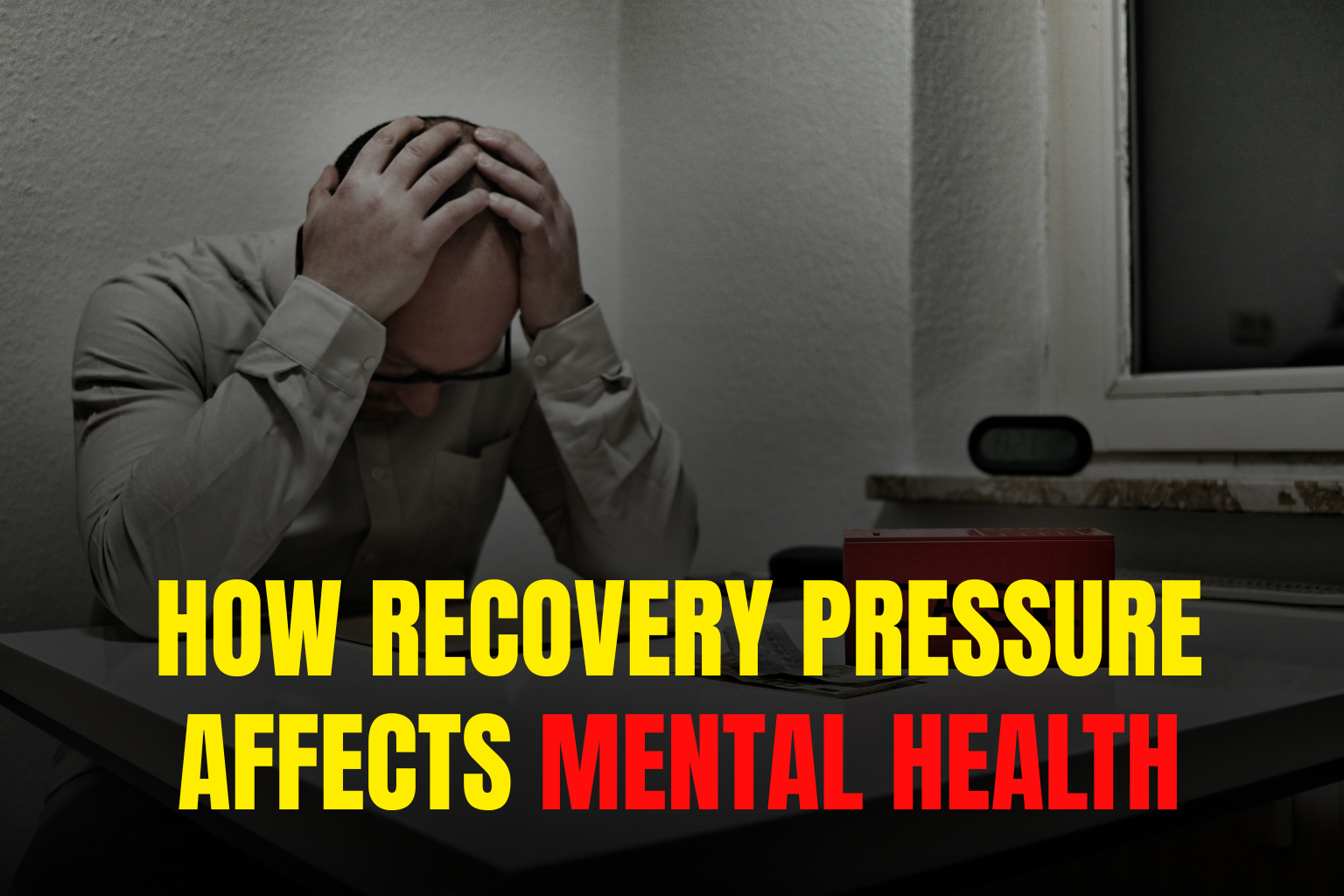
How Recovery Pressure Affects Mental Health | Lawfully Finance
Debt is not only a financial burden—it is a psychological one. For many Indian borrowers, recovery pressure becomes a daily mental battle. Repeated calls, threatening messages, and fear of legal consequences slowly chip away at emotional stability. Over time, this pressure can deeply affect mental health, decision-making, relationships, and self-worth.
This blog explains how recovery pressure impacts mental health, why it feels overwhelming, and what borrowers can do to protect their peace.
How Recovery Pressure Builds Over Time
Recovery pressure doesn’t usually start aggressively. It escalates:
- Polite reminders turn into frequent calls
- Follow-ups become daily disruptions
- Neutral language becomes threatening
- Messages shift from reminders to warnings
This gradual escalation keeps borrowers in a constant state of alert.
The Constant Stress Response
Repeated recovery contact triggers the body’s stress system:
- Elevated anxiety
- Rapid heartbeat
- Muscle tension
- Difficulty concentrating
When this stress becomes constant, the mind never fully rests.
Common Mental Health Effects Borrowers Experience
Borrowers under recovery pressure often report:
- Sleep disturbances and insomnia
- Phone and notification anxiety
- Irritability and mood swings
- Panic attacks
- Emotional numbness
The pressure extends beyond finances into everyday life.
Why Recovery Pressure Feels Personal
Recovery communication often:
- Uses shaming language
- Questions character
- Threatens social exposure
- Invades personal time
This turns a financial issue into a personal attack, increasing emotional harm.
The Impact on Family and Relationships
Mental stress from recovery pressure can lead to:
- Short temper at home
- Withdrawal from loved ones
- Fear of discussing money
- Relationship conflicts
Silence increases isolation.
How Mental Stress Affects Financial Decisions
Under psychological pressure:
- Logic weakens
- Panic payments increase
- Borrowers take new loans to cope
- Settlement options are avoided
- Long-term planning stops
Stress pushes borrowers into survival mode.
Cultural Factors That Intensify the Impact in India
In Indian society:
- Debt is stigmatized
- Mental health is often ignored
- Asking for help feels shameful
- “Handling it alone” is expected
This makes recovery pressure feel heavier and lonelier.
Warning Signs Recovery Pressure Is Harming You
Pay attention if:
- You dread checking your phone
- Calls affect your work focus
- Sleep is disturbed regularly
- You feel hopeless or trapped
- Emotional reactions feel uncontrollable
These are signals—not weaknesses.
How Borrowers Can Protect Their Mental Health
Borrowers can regain balance by:
- Understanding what recovery agents can legally do
- Setting communication boundaries
- Documenting harassment
- Using calm, lawful responses
- Seeking structured guidance early
Knowledge reduces stress faster than silence.
How Lawfully Finance Helps Reduce Recovery Pressure
Lawfully Finance supports borrowers by:
- Helping stop harassment escalation
- Teaching proper response strategies
- Handling communication lawfully
- Creating clear debt resolution plans
- Restoring mental peace and confidence
We believe emotional safety comes before financial recovery.
Final Thought
Recovery pressure harms mental health not because borrowers are weak—but because fear is repeatedly triggered without relief. Once pressure is replaced with clarity, the mind begins to heal.
You deserve solutions that protect both your finances and your well-being.
👉 If recovery pressure is affecting your mental health, take the first step toward clarity and peace with Lawfully Finance:
https://lawfullyfinance.com/step/sign-up/