

Shield Your Financial Future: Master Proactive Cash Management to Safeguard Your Credit Profile
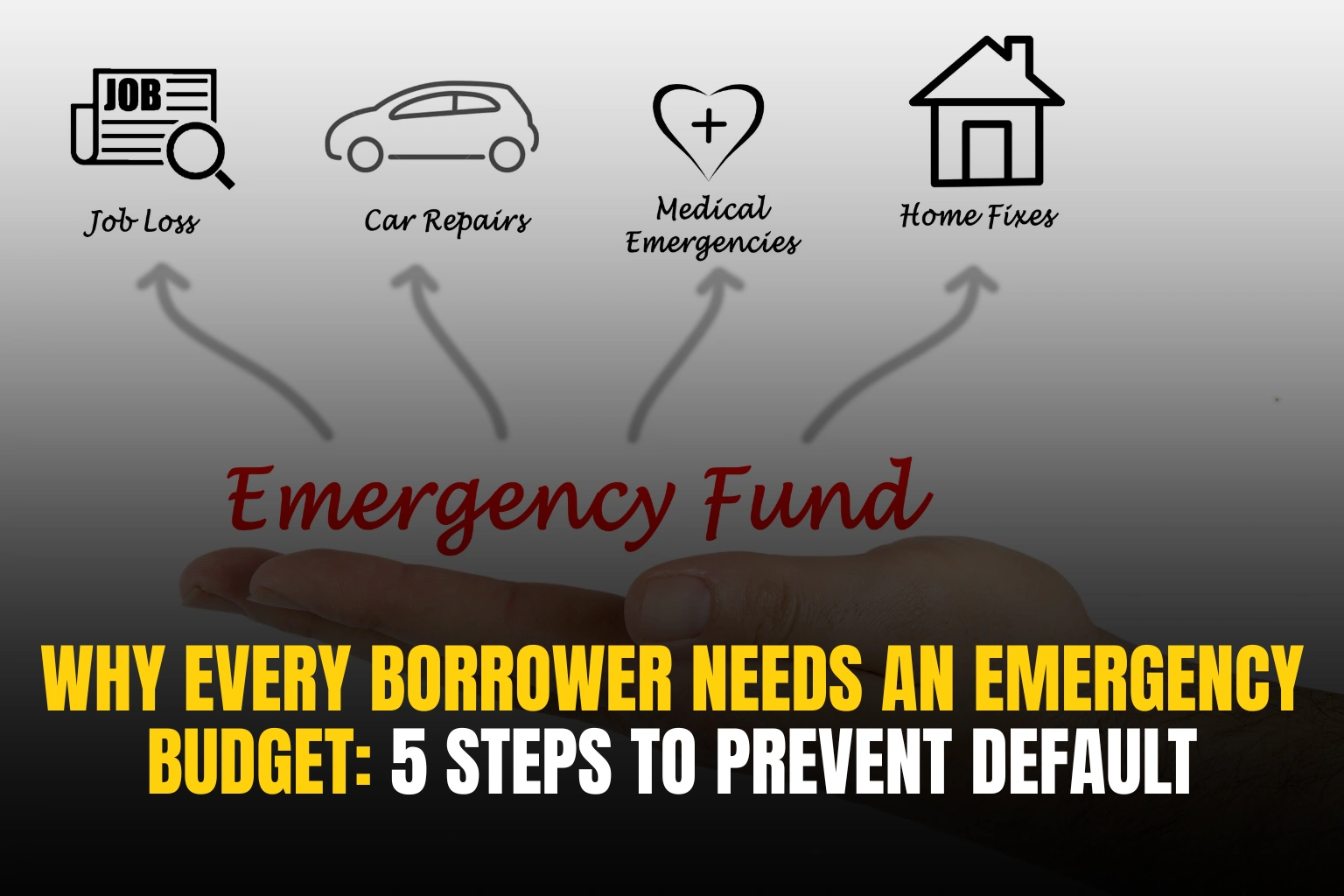
Unforeseen economic shifts, health emergencies, or unexpected employment disruptions can destabilize even the most meticulously planned household finances. For individuals carrying active home loans, personal debt, or credit card balances, a sudden drop in income creates immediate vulnerability. Without a dedicated financial cushion, missed monthly equated monthly installments (EMIs) quickly lead to late penalties, damaged credit scores, and legal notices. Implementing a structured contingency spending plan is the ultimate defense against financial distress. Understanding Why Every Borrower Needs an Emergency Budget: 5 Steps to Prevent Default provides a vital blueprint to navigate cash flow shocks without compromising debt obligations.
A crisis-ready budget serves as an operational buffer between unexpected life events and contractual repayment schedules. Lawfully Finance recommends preparing a bare-bones spending framework long before income instability occurs. By learning Why Every Borrower Needs an Emergency Budget: 5 Steps to Prevent Default, consumers can protect their legal rights, eliminate non-essential outflows, and maintain uninterrupted loan repayments. Establishing a resilient contingency plan transforms potential default panics into manageable, step-by-step financial adjustments.
5 Crucial Steps to Build an Unshakeable Crisis Budget
Constructing an effective crisis budget requires immediate prioritization of essential survival expenses and debt obligations. Financial advisers emphasize these core elements of Why Every Borrower Needs an Emergency Budget: 5 Steps to Prevent Default:
- Audit and Categorize Mandatory Inflows and Outflows: Map out all monthly expenses, separating survival costs like rent, groceries, and utilities from discretionary lifestyle spending.
- Freeze All Non-Essential Discretionary Outlays: Eliminate subscriptions, dining out, leisure travel, and non-critical purchases instantly to maximize liquid cash preservation.
- Ring-Fence EMI Repayments First: Allocate cash reserves directly toward high-interest loans and secured EMIs to prevent default flags on your credit report.
- Build a Dedicated 3 to 6-Month Liquidity Reserve: Maintain a liquid cash cushion in high-yield savings accounts or liquid mutual funds strictly reserved for debt servicing during crises.
- Notify Lenders Early During Severe Cash Shortfalls: Contact your bank before an EMI bounces to request temporary restructuring, tenure extensions, or moratorium support.
Executing these steps ensures your core financial obligations remain intact during economic downturns. Following the framework of Why Every Borrower Needs an Emergency Budget: 5 Steps to Prevent Default insulates your household from compounding interest charges and recovery pressure.
4 Strategic Action Points to Prevent Loan Default
To reinforce long-term debt stability during periods of financial stress, Lawfully Finance recommends implementing these four actionable guidelines:
- Prioritize High-Interest Unsecured Liabilities: Direct surplus cash reserves toward paying off credit cards and personal loans to reduce mounting monthly interest rates.
- Automate Reserve Account Transfers: Set up automated monthly transfers into a separate emergency fund immediately after receiving your primary income.
- Review and Update Your Crisis Plan Bi-Annually: Adjust spending baselines and reserve targets to reflect changing inflation rates, loan interest rates, and living expenses.
- Leverage Formal Restructuring Facilities: Work with certified debt advisers to negotiate written moratorium agreements or loan consolidation programs if income drops persist.
Adhering to these practical guidelines preserves your market longevity and creditworthiness. Embracing Why Every Borrower Needs an Emergency Budget: 5 Steps to Prevent Default equips you with the strategic tools required to handle unexpected liabilities effectively.
Emotional Anxiety vs. Logical Crisis Management: Winning the Mindset Battle
Emotionally, unexpected financial shortfalls trigger intense anxiety, fear of social embarrassment, and paralysis. Debtors facing income loss often ignore incoming bank communications, delay critical choices, or take out high-interest short-term loans out of desperation, worsening their financial position.
Logically, credit management is an objective exercise in liquidity allocation and contractual compliance. Banking institutions operate under structured regulatory guidelines and favor proactive, transparent communication over loan default. Lawfully Finance recommends replacing panic with systematic cash management and formal negotiation. Internalizing Why Every Borrower Needs an Emergency Budget: 5 Steps to Prevent Default grants you the clarity needed to keep control over your financial destiny.
Conclusion: Secure Your Debt Servicing Plan Today
Proactive planning is the key to lasting financial freedom. Build your contingency cushion, safeguard your credit score, and prevent loan default with confidence.
If you need expert assistance in structuring a debt recovery plan, handling lender notices, or negotiating loan restructuring, sign up on our official portal now:
For regular updates on borrower rights, RBI regulations, legal protections, and credit restoration strategies, follow our official Instagram page today: