

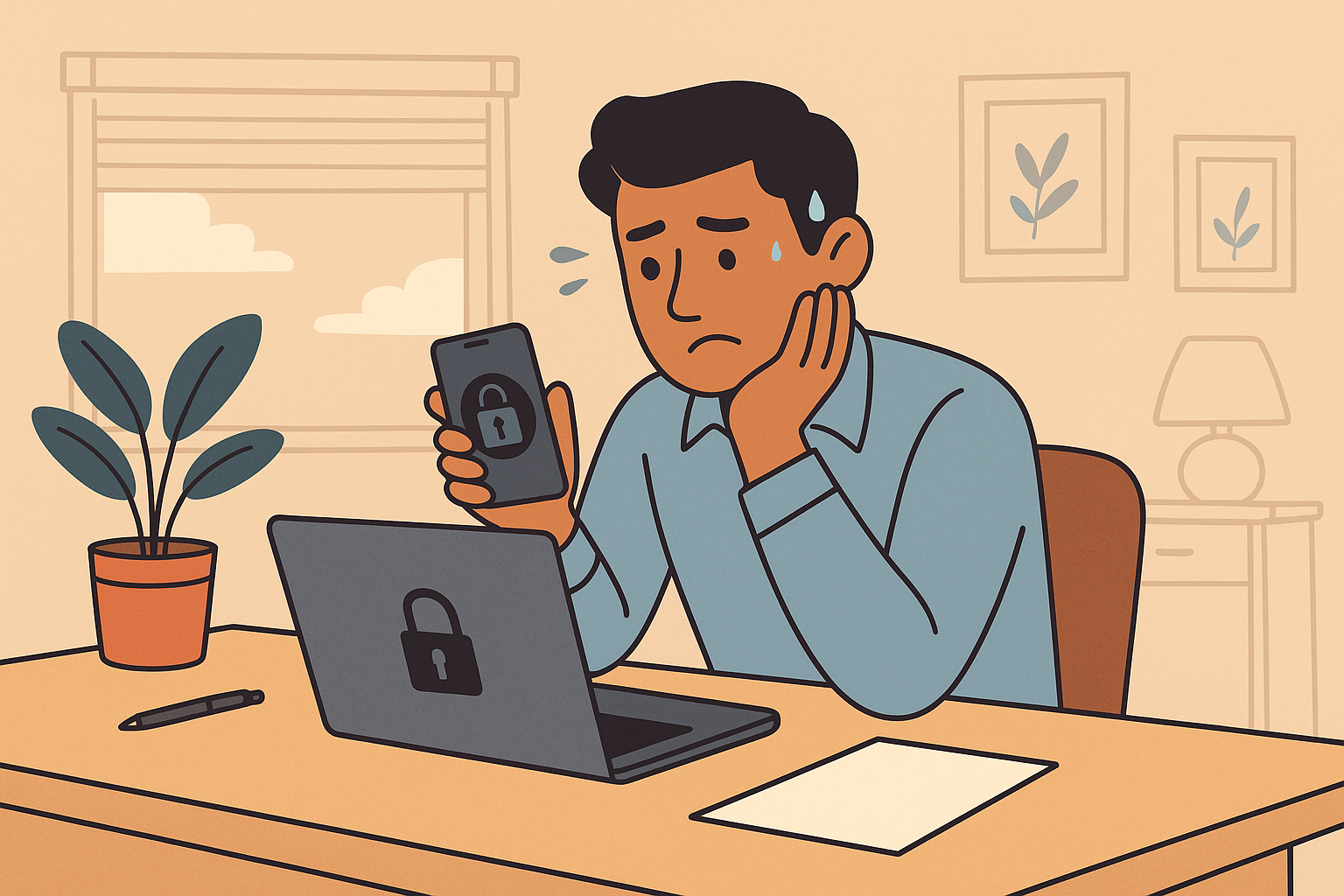
Worried about your bank account being frozen because of missed EMIs or credit card dues? You’re not alone. Many borrowers shockingly discover their account frozen and panic—asking: Is this legal? Can it really happen?
The answer is yes, but only through a legal process. Here’s a clear breakdown of how and why it happens—and most importantly, how you can fix it proactively.
1. When Can Lenders Freeze Your Account?
Banks can freeze or place a lien on your account when:
- Your loan has become an NPA after 90 days of non-payment, and you’re unresponsive (m.economictimes.com).
- You’ve signed terms allowing a banker’s lien or set-off, enabling them to adjust your deposits directly against dues .
Unsecured personal loans don’t grant automatic asset seizure—but banks may still freeze internal deposits, especially if there’s a lien clause in your loan agreement .
2. What Legal Processes Allow Them to Freeze It
A bank must follow one of these steps to legally freeze an account:
- SARFAESI Act (for secured loans)
- After 90 days non-payment, lender issues a 60-day notice under SARFAESI. If ignored, they can take possession of collateral—and freeze related accounts—without going to court (knnindia.co.in, m.economictimes.com).
- Civil Recovery or Summary Suit
- In unsecured loan cases, lender can sue and get a court decree. After a judgment, they can freeze bank accounts or garnish salaries through courts/DRT (m.economictimes.com, instagram.com).
- Court Orders via DRT
- Loans over ₹20 lakh may go to the Debt Recovery Tribunal (DRT). Once DRT issues a recovery order, banks can freeze or attach accounts (en.wikipedia.org).
3. What Is a Banker’s Lien or Set-Off?
- If your loan agreement includes it, the bank can automatically deduct outstanding amounts from any account you hold with them—even without court permission .
This is not technically a freeze—it’s a contractual right.
4. How to Know Your Account Was Frozen or Marked
- Account freeze: You can still receive credits, but withdrawals and transfers will be blocked .
- Lien/set-off: Funds will be debited for dues without warning, but the account remains active.
5. Your Rights & Ways to Unfreeze It
- Ask for official notice & ask for reason—legally required.
- Verify the cause: is it SARFAESI, DRT suit, court decree, or lien clause?
- Request settlement or restructuring—let your lender know you’re making a plan (m.economictimes.com, lawyersclubindia.com, kaanoon.com, advocatetanwar.com).
- Dispute unfair freeze:
- If lien/set-off wasn’t disclosed, SBP ombudsman or consumer court can intervene .
- Approach DRT or courts: with legal petitions to lift freeze & propose repayment plan (advocatetanwar.com).
6. How Lawfully Finance Guides You Through the Process
Don’t navigate this complicated terrain alone. Lawfully Finance, an expert and trustworthy debt-resolution partner, can help you:
- Understand notices and legal grounds
- Negotiate with lenders under SARFAESI or summary suits
- Get accounts unfrozen by filing right petitions
- Ensure full compliance and prevent future freezes—all without any commission
Thousands of borrowers have regained financial control thanks to Lawfully Finance’s clear, legal, and transparent assistance.
Final Takeaway
Yes—banks can freeze or adjust funds in your account due to loan default—but only through proper legal steps. It’s not theft, and it’s not instant. You have rights, and you can respond wisely.
If you’re ever stuck, seek legal advice or expert help. Lawfully Finance offers that safe bridge—from freeze to financial freedom—without scams or confusion.
Connect with Lawfully Finance
Lawfully Finance has already helped thousands of Indian borrowers unfreeze their accounts legally—without charging any commission and with total transparency.